

In the Bay Area, where corps member Audrey Brown reports, highways, ports, and factories are often in close proximity to low-income communities of color. As a result, poor air quality and exposure to toxins disproportionately affect those communities, but due to the high influence of these industries, there is often a lack of accountability or resources from the local government.
For this story, Audrey used a data-driven approach to show that cleanups take longer in these communities compared to majority white ones. Audrey found that cleanups took 450 days longer in communities of color, creating a dataset that had not been previously documented. The recent removal of data on racial inequities from public view by the federal government underscores the importance of Audrey’s work. “Not only did this story shine a light on an inequitable public health and environmental outcome in the region and create a novel dataset, it did so using some data that, soon after retrieval, was removed from public access,” Audrey’s editor said.
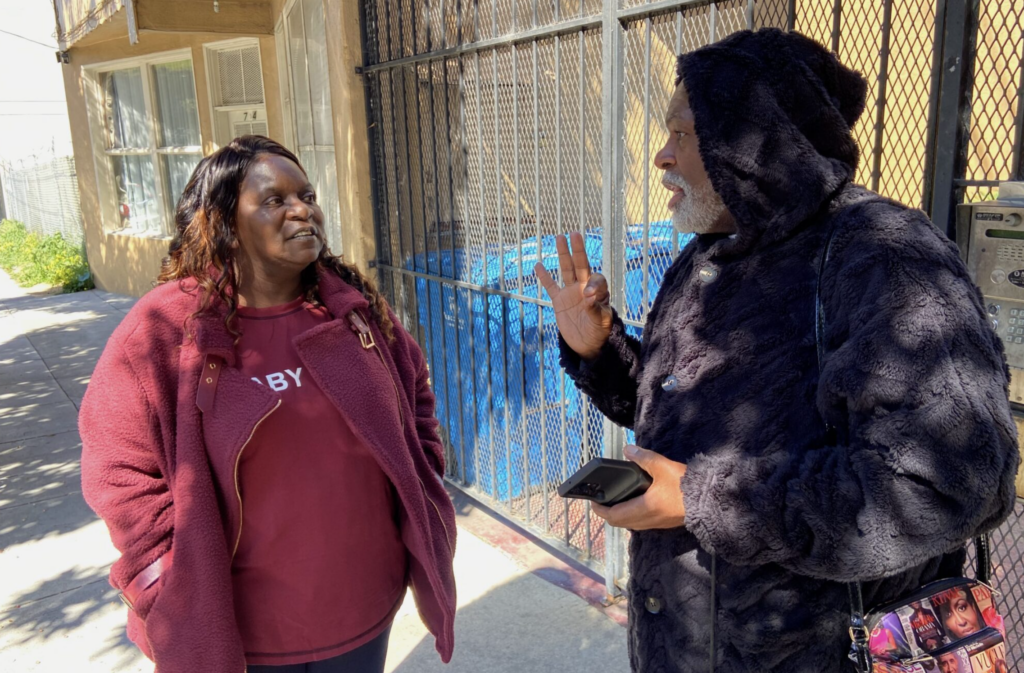
Audrey Brown is a Report For America corps member covering environmental health equity for San Francisco Public Press in San Francisco, California.