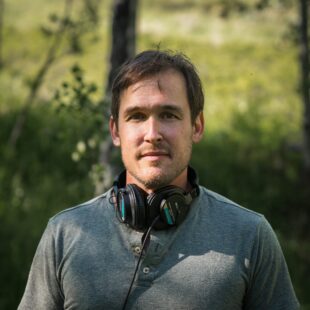
Nick Mott covers the Greater covers wildlife, public lands, water and wildfire, and their impacts on communities and landscapes in the Greater Yellowstone Ecosystem for Montana Free Press and Mountain Journal. His position is part of a partnership with High Country News Western Environmental Collaborative (WERC).
Prior to joining Report for America as a corps member, Mott worked in both print and audio. He led podcasting efforts at Montana Public Radio, and his narrative nonfiction productions received some of the highest awards in the field, including a Peabody and two National Edward R. Murrow Awards. He co-authored the book This Is Wildfire, published in 2023 by Bloomsbury, and his print and audio reporting has appeared in High Country News, NPR, The Washington Post, The Atlantic, The New York Times and many other outlets.
Beat: The reporter will cover wildlife, public lands, water and wildfire, and their impacts on communities and landscapes in the Greater Yellowstone Ecosystem in collaboration with High Country News
The environmental reporter covers the complex intersections of land, water, wildlife, and rural life across the Greater Yellowstone Ecosystem. Through the Western Environmental Reporting Collaborative, the reporter produces in-depth, contextual stories on public lands and community impacts. They split time between Mountain Journal and High Country News, pursuing local reporting while collaborating on regional projects that deepen understanding of tribal sovereignty, Western water law, and conservation policy shaping the future of the West.