This Native American Heritage Month, we’re thrilled to highlight Report for America corps member Lyric Aquino and her work with Underscore Native News covering Indigenous affairs in the Pacific Northwest. Learn more about Aquino and read her recent reporting below.
About Lyric Aquino:
Aquino is an award-winning multimedia journalist with a passion for writing about all things relating to science, the environment and Indian Country. Originally from Ohio, she is a proud member of Ohkay Owingeh Pueblo with ancestry from Isleta Pueblo and the Jicarilla Apache Nation. She holds two bachelor’s degrees in anthropology and journalism from Kent State University, as well as a master’s degree in science, health and environmental journalism from New York University, where she worked as editor-in-chief for Scienceline and as a science writing intern at the Smithsonian National Museum of Natural History. Before joining Underscore Native News, Aquino held a fellowship at Grist, where she reported on climate change and global Indigenous affairs. One of Aquino’s passions is reporting on the intersection of traditional ecological knowledge and Western science, as well as Indigenous litigation and issues.
Oregon Non-Profits Team Up to Host Their First Indigenous Camping Trip On Mt. Hood
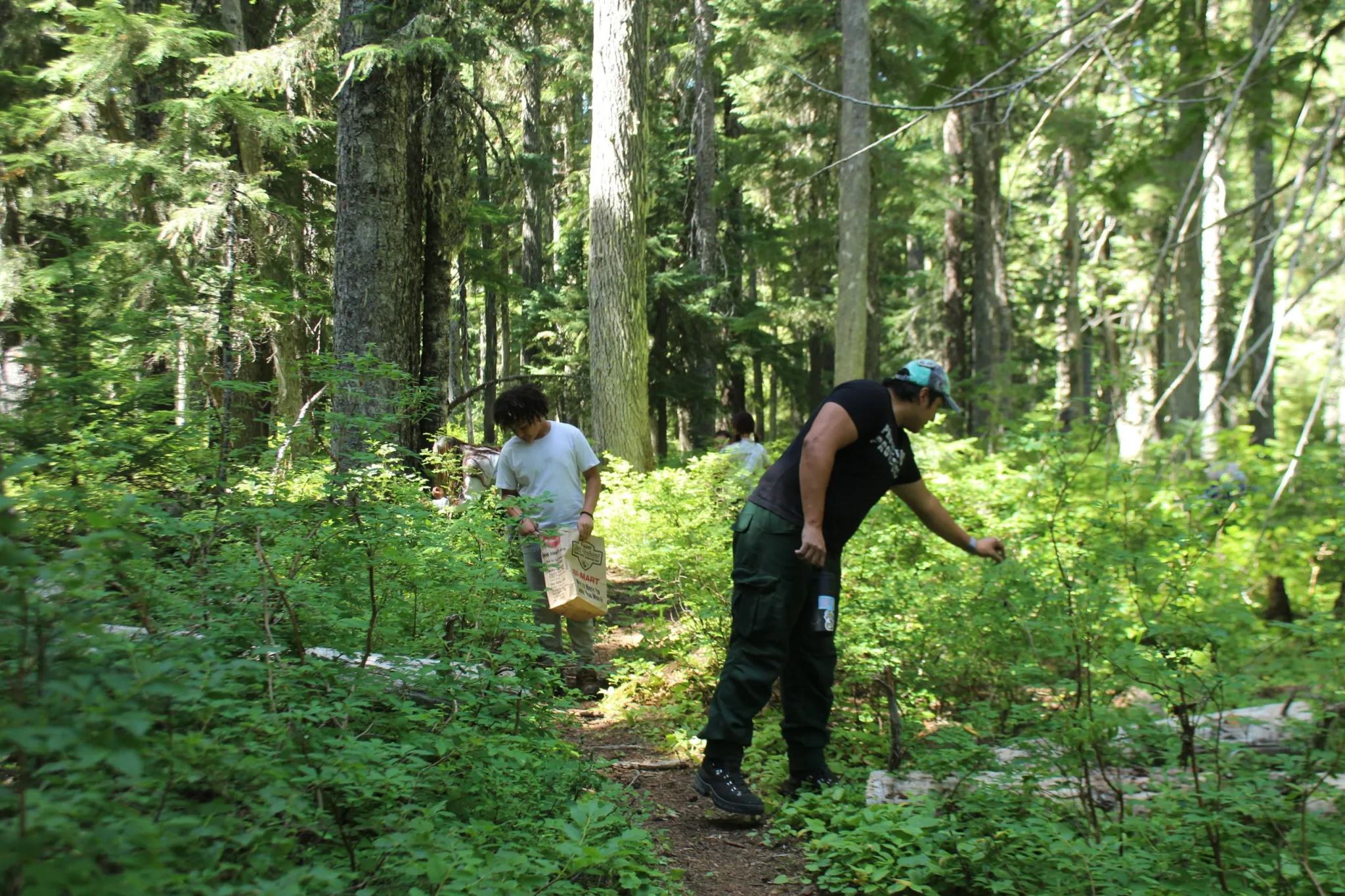
For this story, Aquino joined a group of Indigenous campers from Native Nations across the Pacific Northwest to document their weekend spent in the forests of Mt. Hood. The programming featured cultural activities and the teaching of traditional skills. The event was hosted by Parrott Creek Child and Family Services, the nonprofit BARK and Future Generations Collaborative. Aquino reported that these three community groups wanted to bring urban Indigenous people together to connect with nature, something that is scarcely available in Portland where many of the participants live.
Tribal Radio Stations Hit Hard by Federal Broadcasting Cuts
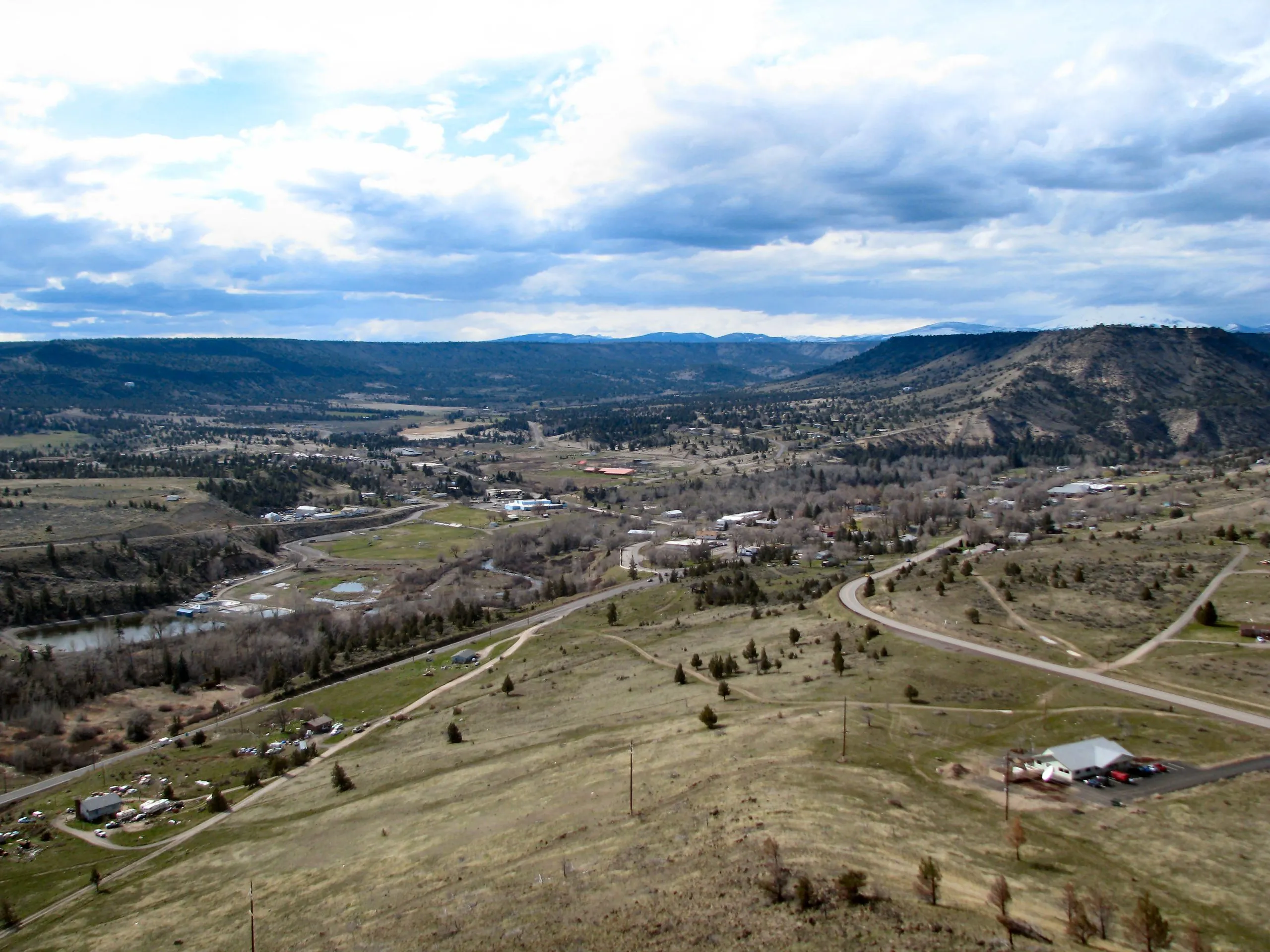
When $1 billion dollars of federal funding was cut from the Corporation for Public Broadcasting, Aquino shared the major impacts this would have on Tribal radio stations and the communities they serve. In her reporting, she explored how these radio stations are vital not only to preserving their culture, but also maintaining their safety, as the radio stations are often the only ways residents receive emergency alerts during natural disasters. Aquino’s story highlighted how important this federal funding is to local tribal stations, with 40% of their budget coming from these funds.
Tribes and Nonprofit Organizers Prepare for Increased Food Insecurity Amid SNAP Benefit Uncertainty
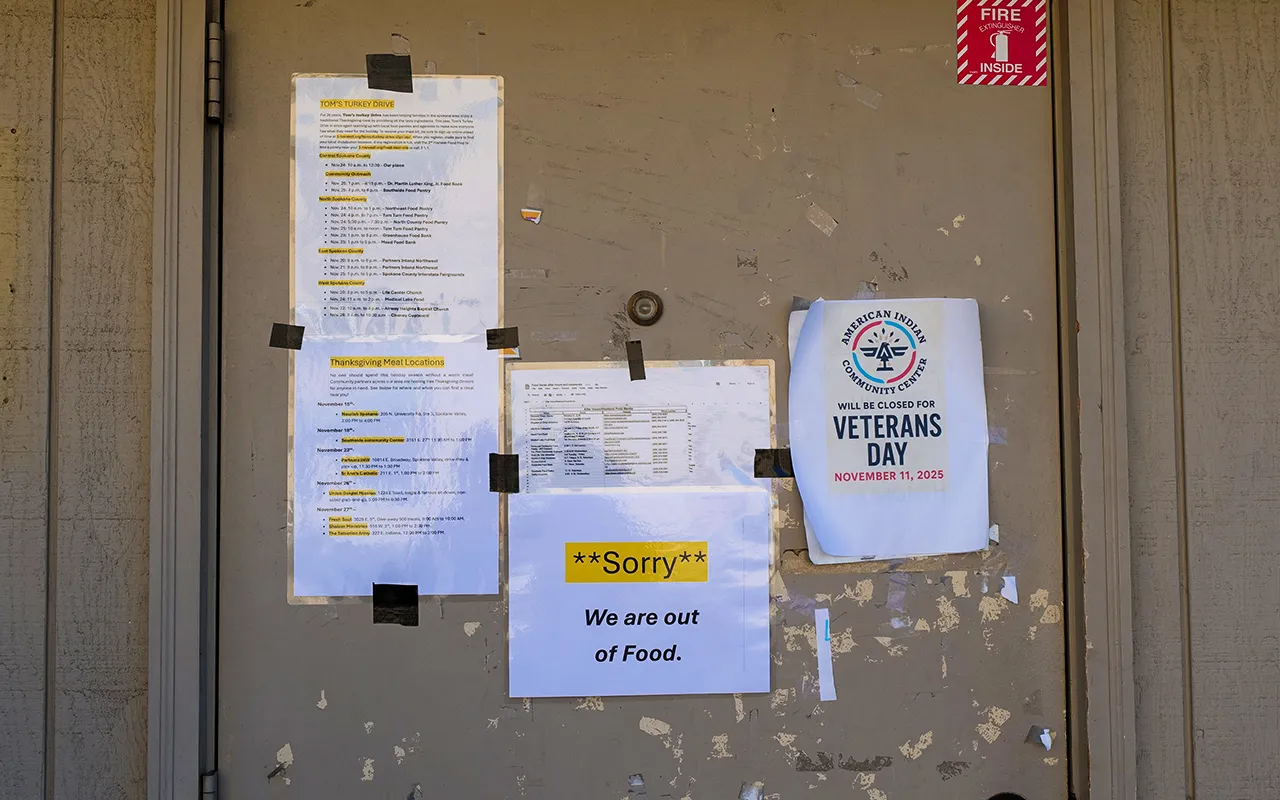
Following the recent government shutdown and lapse in SNAP funds, communities across the nation worried about food accessibility. One million Indigenous people rely on SNAP, and the lapse was set to cause major food insecurity in tribal communities. Aquino spoke with representatives of Native nations and local nonprofits to share how, amidst the chaos, they immediately came together to support their communities. This included a health equity nonprofit awarding hundreds of thousands of dollars to local food banks and pantries.